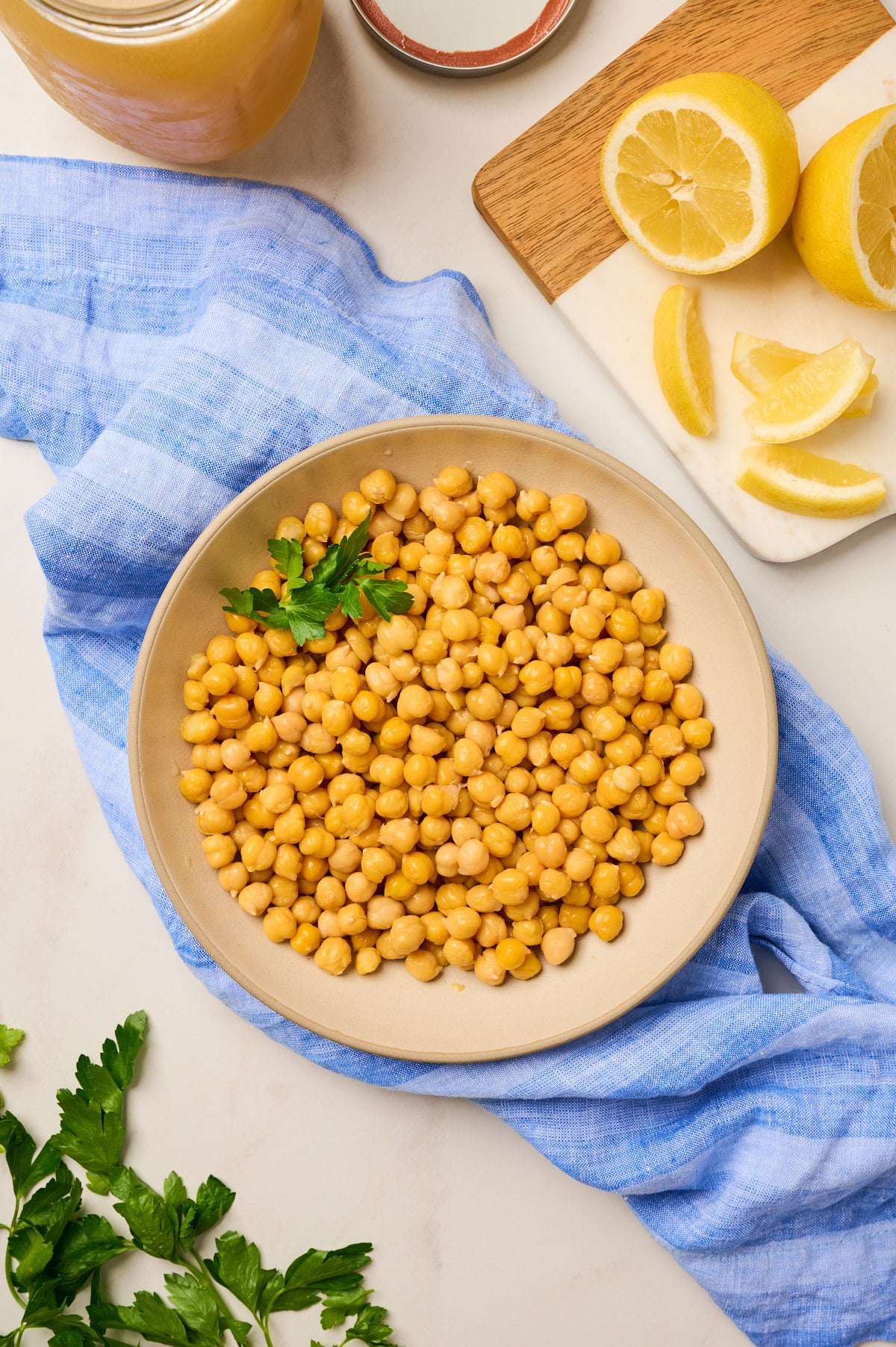
The Secret to Creamy Chickpeas: Unlocking Culinary Perfection with Baking Soda, Soaking & Smart Storage
Tired of tough, inconsistent chickpeas? Imagine a world where every garbanzo bean you cook is melt-in-your-mouth creamy, bursting with a nutty, buttery flavor that elevates any dish. While canned chickpeas offer convenience, nothing compares to the superior taste, texture, and cost-effectiveness of cooking dried chickpeas from scratch. Many home cooks shy away, fearing a long, arduous process or unsatisfactory results. However, with a few crucial insights and the right techniques, you can master the art of producing perfectly tender chickpeas every time. This comprehensive guide will reveal the "secret ingredients" and methods, from proper soaking to intelligent storage, ensuring your homemade chickpeas are always at their absolute best. Whether you're making silky smooth hummus, enriching a hearty curry, or adding protein to your meal prep, learning
how to cook chickpeas with these insider tips will revolutionize your kitchen.
The Unsung Heroes: Baking Soda, Salt & the Art of Soaking
The foundation of exceptionally creamy chickpeas lies in understanding the critical roles of baking soda, salt, and a proper pre-soak. These aren't just optional steps; they are game-changers.
Why Baking Soda is Your Secret Weapon
The most impactful secret to achieving that coveted creamy texture is undoubtedly
baking soda. Here's why:
* **Breaking Down Pectin:** Chickpea skins, like those of many legumes, contain pectin, a complex carbohydrate that contributes to their firmness. Baking soda creates an alkaline environment in the soaking water and during cooking. This alkalinity helps to break down the pectin, softening the skins and allowing the chickpeas to cook through more evenly and become incredibly tender without falling apart.
* **Faster Cooking:** By pre-softening the skins, baking soda also reduces overall cooking time, saving you energy and effort.
For optimal results, add about 1½ teaspoons of baking soda to your soaking water for every 2 cups (approximately 1 pound) of dried chickpeas.
The Importance of Salt in the Soak
While often debated, adding salt to your soaking water is another vital step that contributes to superior texture and flavor. Far from making your beans tough, as some myths suggest, salt actually helps:
* **Seasoning from Within:** Salt penetrates the chickpeas during the soak, seasoning them from the inside out, leading to more flavorful beans.
* **Texture Enhancement:** It aids in maintaining the integrity of the chickpea while still promoting tenderness, preventing them from becoming mushy. For 2 cups of dried chickpeas, 1½ tablespoons of kosher salt in the soaking water is ideal. If using table salt, halve the amount.
The Art of Soaking: Hydration and Preparation
Soaking dried chickpeas is non-negotiable for tender, evenly cooked results. It rehydrates the beans, reduces cooking time, and can even aid in digestibility.
1. **Selection & Sorting:** Start with quality dried chickpeas. Look for beans that are uniform in color and size, and ideally, not older than a year, as older chickpeas can take significantly longer to cook and may never achieve optimal tenderness. Carefully sort through them, removing any tiny stones, damaged beans, or debris.
2. **The Soak:** Place the sorted chickpeas in a large mixing bowl. Remember, they will more than double in size, so choose a generous bowl. Cover them with at least 6 cups of fresh water (filtered if your tap water is heavily chlorinated). Stir in the 1½ tablespoons kosher salt and 1½ teaspoons baking soda. Let them soak for 8-24 hours at room temperature.
3. **Rinsing:** Once soaked, drain and rinse the chickpeas thoroughly under cold water. This removes the soaking liquid and any remaining baking soda residue, preparing them for the next stage.
Step-by-Step: Mastering Various Cooking Methods
After the essential soak, you have several excellent options for cooking your chickpeas to perfection. Each method offers unique advantages, fitting different lifestyles and preferences. This section also links to a more comprehensive resource,
The Ultimate Guide to Cooking Chickpeas: Dried, Canned & Foolproof Methods, for those looking for even deeper dives into preparation.
1. Stovetop Method: Classic and Reliable
The stovetop is a time-tested method that gives you excellent control over the texture.
* **Preparation:** Place the drained and rinsed soaked chickpeas in a large pot. Cover them with several inches of fresh water – aim for about 6-8 cups for 2 cups of dried chickpeas.
* **Seasoning & Boil:** Stir in ½ tablespoon of kosher salt. Bring the pot to a rolling boil over high heat, uncovered initially.
* **Simmer & Skim:** Once boiling, reduce the heat to a gentle simmer. Partially cover the pot, leaving the lid slightly ajar to prevent boil-overs and allow steam to escape. As the chickpeas cook, a white foam may develop on the surface; skim this off periodically for clearer cooking liquid and a cleaner flavor.
* **Cook to Perfection:** Continue simmering for 1½-2 hours. The exact time will depend on the age of your chickpeas and your desired tenderness. To test doneness, carefully remove a chickpea and press it between your fingers – it should mash easily and feel creamy inside. If it's still firm, continue cooking.
2. Instant Pot Method: Speed and Convenience
For those short on time but unwilling to compromise on quality, the Instant Pot is a phenomenal tool. It delivers consistent, creamy chickpeas with remarkable speed.
* **Preparation:** Transfer the drained and rinsed soaked chickpeas to your Instant Pot. Add about 6 cups of fresh water.
* **Season & Pressure Cook:** Stir in ½ tablespoon of kosher salt. Secure the lid and set the steam release valve to the sealed position. Cook on high pressure for 15-20 minutes. For firmer chickpeas (great for salads), aim for 15 minutes. For extra creamy chickpeas (perfect for hummus), go for 20 minutes.
* **Natural Release:** This is a crucial step! Allow a natural pressure release for at least 20 minutes before manually opening the valve. This gentle release prevents the chickpeas from bursting and becoming mushy, ensuring they retain their shape while becoming incredibly tender.
3. Slow Cooker Method: Hands-Off and Gentle
If you prefer a hands-off approach and a gentle, consistent cook, your slow cooker is an excellent choice. This method is especially forgiving and ideal for busy days.
* **Preparation:** Place the drained and rinsed soaked chickpeas in your slow cooker. Add about 8 cups of fresh water.
* **Season & Slow Cook:** Stir in ½ tablespoon of kosher salt. Cover and cook on high for 4 hours or on low for 8 hours.
* **Check Doneness:** After the suggested cooking time, check for tenderness. Older dried chickpeas may require additional cooking time. Continue cooking until they reach your desired creaminess.
For those interested in exploring further, especially the nuances of different drying processes and their impact on cooking, refer to
Cook Dried Chickpeas for Superior Flavor & Perfect Tender Texture.
Beyond the Pot: Flavoring & Smart Storage Tips
Once your chickpeas are perfectly cooked, the journey isn't quite over. Proper cooling and storage are essential for maintaining their creamy texture and extending their shelf life.
Cooling for Optimal Texture
A common mistake is draining chickpeas immediately after cooking. For the creamiest, most tender results, allow your chickpeas to cool down in their cooking liquid. This prevents them from drying out and becoming tough as they cool. The chickpeas will continue to absorb some of the seasoned liquid, enhancing their flavor and maintaining their plumpness.
Enhancing Flavor During Cooking
While salt is essential, don't hesitate to infuse your chickpeas with additional flavors during the cooking process. Adding aromatics like a few bay leaves, whole garlic cloves, or even a teaspoon of whole cumin or coriander seeds to the cooking water can impart a wonderful, subtle flavor that elevates your dishes.
Smart Storage: Maximizing Freshness
Homemade chickpeas are a fantastic meal prep staple. Proper storage ensures they remain delicious and ready for use.
* **Refrigeration:** Transfer the cooled chickpeas along with some of their cooking liquid into airtight containers. This liquid is key to preventing them from drying out and maintains their creamy texture. Stored this way, they will last beautifully in the refrigerator for up to 5 days.
* **Freezing for Longer Term:** For longer storage, cooked chickpeas freeze exceptionally well. Portion them into freezer-safe containers or resealable bags, again, ensuring they are submerged in some of their cooking liquid. You can even freeze them in smaller, ready-to-use portions using ice cube trays (once frozen, transfer the chickpea cubes to a freezer bag). Frozen chickpeas will maintain their quality for up to 6 months. Thaw them overnight in the refrigerator or gently reheat from frozen in a pot on the stove or in the microwave.
Having a stash of perfectly cooked, creamy chickpeas opens up a world of culinary possibilities, from lightning-fast weeknight meals to impressive gourmet dishes.
Conclusion
Mastering
how to cook chickpeas to creamy perfection is not just about following a recipe; it's about understanding the science and employing a few key techniques. By incorporating baking soda and salt into your soak, choosing the right cooking method for your lifestyle, and practicing smart storage, you'll consistently achieve tender, flavorful garbanzo beans that far surpass anything from a can. This investment of time and effort will reward you with superior texture, deeper flavor, and the satisfaction of cooking wholesome, delicious food from scratch. So, grab your dried chickpeas, embrace the baking soda, and unlock the secret to truly spectacular, creamy chickpeas that will become a staple in your kitchen.